

Are you trying to decide whether to remodel your hall bath or your primary bath first—and feeling unsure how to split the budget between the two?
Do you worry about spending too much on the “wrong” bathroom, or cutting corners in a space you’ll use every single day?
The truth is, while both are bathrooms, a hall bath and a primary bath have very different jobs—and those differences should directly shape how you plan, design, and invest.
Below, we’ll walk through how priorities shift between hall baths and primary baths, what typically drives cost in each, and how Northeast Ohio homeowners can spend wisely—so both spaces work well today and hold their value for years to come.
What You’ll Learn About Hall Bath vs. Primary Bath Priorities and Costs
- The key functional differences that drive scope and cost in hall bath vs. primary bath projects
- Where to spend for durability, comfort, and resale—and where to hold the line
- Real-world Northeast Ohio cost considerations and planning cues
- A clear, step-by-step list to help you prioritize with confidence
The smart homeowner’s list: priorities that change the plan (and the price)
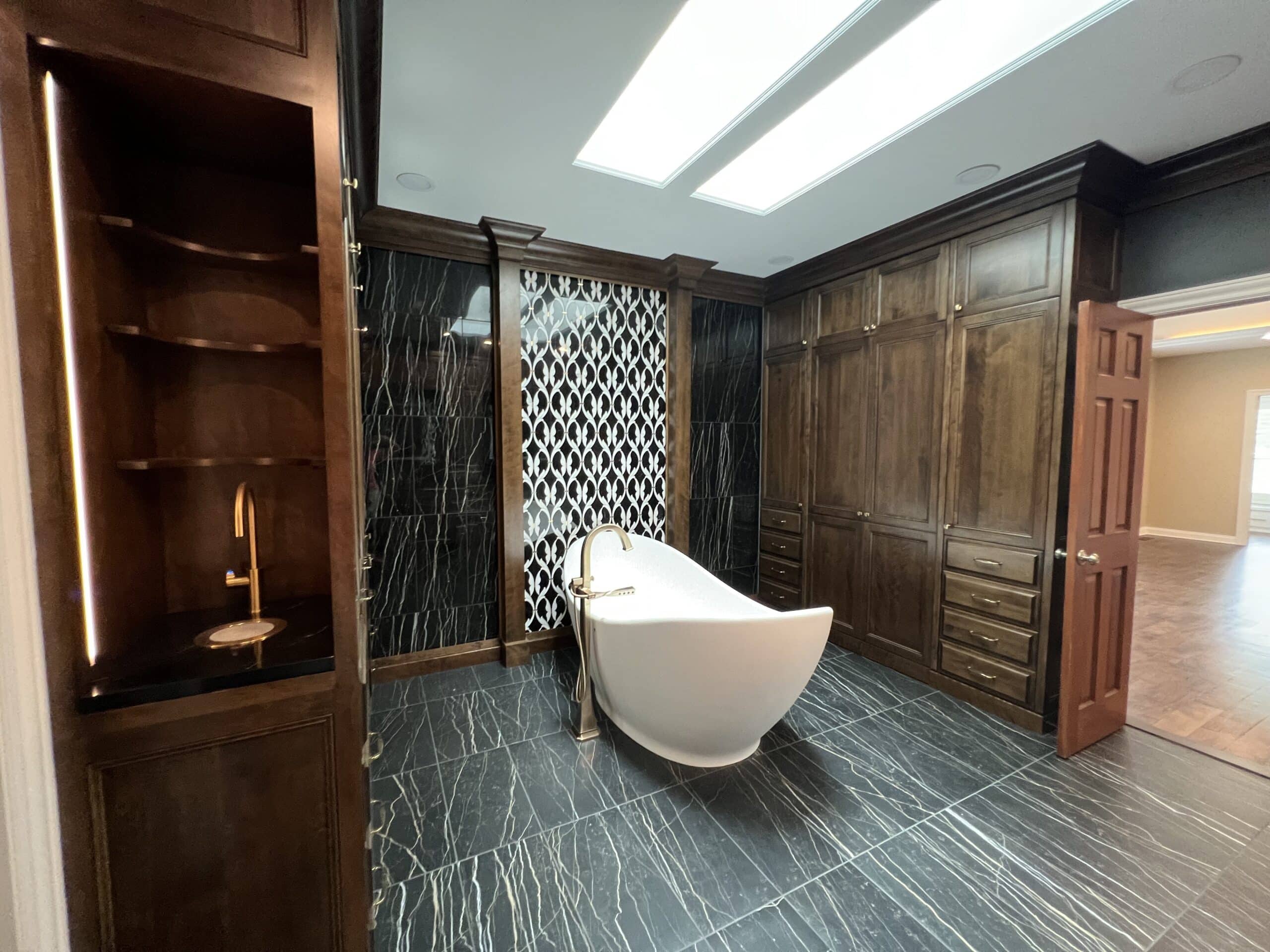
How Usage and Traffic Change Hall Bath vs. Primary Bath Design Decisions
Hall baths need to withstand heavy, shared use, while primary baths should support daily comfort and stress-free routines.
- Hall bath: High-traffic, shared use. Think durable surfaces, easy-clean finishes, a tub or tub-shower for flexibility, and kid- and guest-friendly storage.
- Primary bath: Daily wellness space. Prioritize a comfortable shower experience, personalized storage, great lighting, and materials that feel good and last.
Why Primary Baths Cost More: Layout Changes vs. Pull-and-Replace Hall Baths
Primary bath remodels often cost more because layout changes add complexity—but they also deliver the biggest usability gains.
- Hall bath: Often a classic 5′ x 8′ with limited layout changes—good news for budget. A “pull-and-replace” plan (new fixtures in the same locations) keeps plumbing/electrical work efficient.
- Primary bath: Rooms are larger and more customized—common upgrades include reworking the shower footprint, adding a secondary vanity, or separating the water closet. Changes to walls, drains, ventilation, and electrical add scope—and payoff in usability.
Vanity and Storage Priorities: Shared Hall Baths vs. Personalized Primary Baths
Storage matters more in primary baths because personalized organization saves time every single day.
- Hall bath: One vanity (often 30–48″). Choose durable tops, integrated splash protection, and hardware that stands up to frequent use.
- Primary bath: Personalized organization (drawers over doors, built-ins, linen towers, grooming zones, outlets-in-drawers) is worth the spend because it saves time every morning and reduces countertop clutter every night.

Tub vs. Shower: What Makes Sense in a Hall Bath vs. a Primary Bath
A tub keeps a hall bath flexible for family and resale, while a well-designed shower delivers the most value in a primary bath.
- Hall bath: Keep a tub-shower combo if the space serves children or resale-minded guests. It’s the Swiss Army knife of bathing—practical and flexible.
- Primary bath: Most of our clients opt for a spacious, low-threshold shower with a bench, niche, and handshower. If you rarely use a tub, skip it and invest in a better shower.
Helpful visual: Side-by-side floor plan sketches: a typical 5′ x 8′ hall bath vs. a 10′ x 12′ primary bath with a larger shower and separate vanities.
Lighting and Ventilation Needs in Hall Baths vs. Primary Baths
Hall baths benefit from simple, even lighting, while primary baths need layered lighting for comfort and control.
- Hall bath: Bright, even lighting is best—especially for guests. Include a quiet, properly sized exhaust fan to prevent humidity issues in a smaller footprint.
- Primary bath: Layered lighting (task at the mirror, ambient overhead, accent in the shower) controls glare, flatter, and function. Dimmable scenes turn “get ready for the day” into “wind down for the evening.”
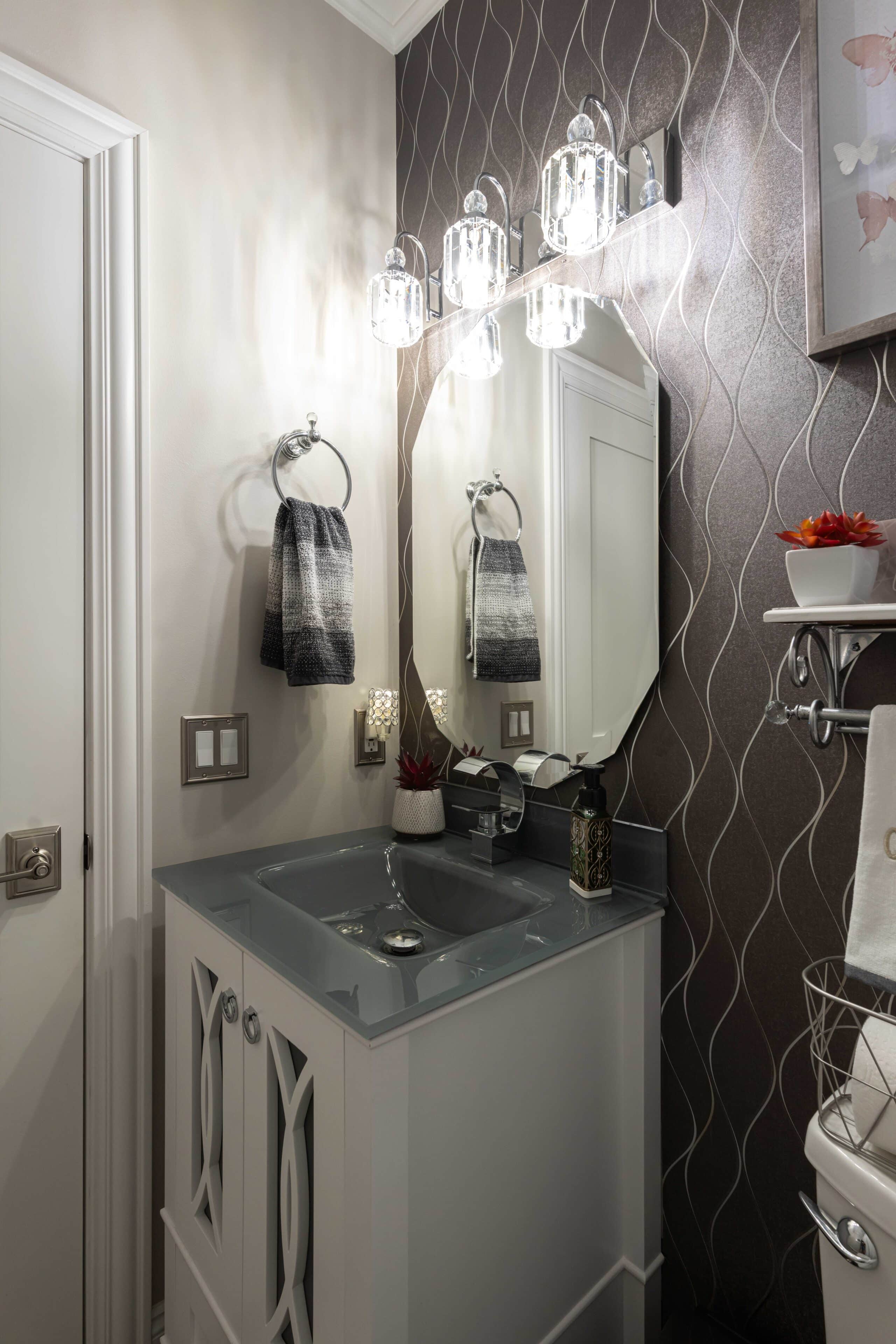
Material Selection: Durability for Hall Baths vs. Daily Comfort in Primary Baths
Both baths need durability, but primary baths earn permission for higher-touch finishes you’ll notice every day.
- Hall bath: Choose resilient, easy-to-clean surfaces—high-performance porcelain tile, quartz tops, and high-quality plumbing fixtures made for daily, multi-user wear.
- Primary bath: Still durable, but with permission to elevate tactile quality (shower tile patterns, stone looks, textured cabinetry) where you’ll notice it every day.
Future-Proofing Your Bathrooms: Safety and Accessibility by Bath Type
Planning for safety early protects your investment—and costs far less than retrofitting later.
- Hall bath: Think grab bar blocking in the walls, lever handles, rocker switches—practical upgrades you won’t regret later.
- Primary bath: Go further: low-threshold entry, a bench, a handheld shower on a slider bar, and roomy clearances. You get comfort now and confidence later.
Helpful visual: A simple “good–better–best” graphic showing accessibility features for each bath type.
Hall Bath vs. Primary Bath Costs in Northeast Ohio: What to Expect
While exact pricing depends on your home, scope, and selections, here are grounded ranges we use to set expectations in Northeast Ohio:
- A typical hall bath (around 5′ x 8′) “pull-and-replace” remodel commonly starts around the mid-$40,000s when done professionally, with costs increasing for premium tile, custom glass, or code upgrades.
- Many primary baths (often 10′ x 12′ or larger) start around the mid-$80,000s when layouts are reworked, showers are enlarged, ventilation and lighting are upgraded, and materials step up.
- Plan a 10% contingency to comfortably address older-home surprises, keep momentum, and avoid scope creep.
Helpful visual: A simple stacked bar chart comparing typical spend distribution for hall vs. primary baths (plumbing/electrical, tile & waterproofing, fixtures, cabinetry & tops, glass, lighting/ventilation).
Bathroom Remodeling Best Practices That Prevent Regret and Rework
- Decide non-negotiables early. For hall baths: tub-shower vs. shower only. For primary baths: shower size, vanity count, storage features. Early clarity prevents expensive mid-stream changes.
- Demand real layouts and real materials before final pricing. This eliminates guesswork and “phantom allowances”—and is the core of our Clarity & Confidence approach.
- Match product specs to use. A guest bath faucet that gets used 20 times a week needs different internals than the faucet you’ll use 20 times a day.
- Tile and waterproofing aren’t places to cut. Proper shower substrates, membranes, and slope protect against leaks and mold—and are cheaper than repairs later.
- Ventilation matters more than you think. Quiet, right-sized fans with timers prevent moisture issues that ruin paint, grout, and drywall.
Common Hall Bath and Primary Bath Remodeling Mistakes (and How to Avoid Them)
- Treating the hall bath like a mini primary (and overspending on low-ROI luxuries), or treating the primary bath like a hall bath (and under-investing where you’ll notice daily).
- Skipping a tub in the only secondary bath when kids or grandkids use it.
- Forgetting outlet locations and drawer interiors. In-drawer power is a small upgrade that makes a big difference in your primary vanity.
- Under-lighting the shower. One great shower light is worth more than three mediocre ceiling cans.
- Starting without a clear process. A design-build workflow with one accountable team reduces friction, keeps budgets aligned with selections, and protects timelines.
Hall Bath vs. Primary Bath: How to Make the Right Investment in Each Space
In the hall bath vs. primary bath decision, “right” looks different for each space. The hall bath wins with durability, flexibility, and easy maintenance. The primary bath wins with comfort, smart storage, and a better daily experience. When you plan with real layouts, real materials, and a firm price—before demo—you get both spaces right the first time.
When it comes to hall bath vs. primary bath remodeling, the right answer isn’t about making them equal—it’s about making each one work harder at its job. Hall baths perform best when they’re durable, flexible, and easy to maintain. Primary baths deliver the most value when they’re designed around comfort, storage, and how you actually start and end your day.
If you’ve been worried about overspending in the wrong place—or cutting corners you’ll feel every morning—you’re not alone. We see homeowners struggle most when priorities aren’t clear early, which is when budgets drift, and compromises follow.
If you want to understand how these priorities turn into a real remodeling experience—timelines, decisions, costs, and what to expect at each stage—your next logical step is to read our guide:
Remodeling a Bathroom: What to Expect from Professional Bathroom Remodelers.
It builds directly on this article by showing how planning decisions become a well-run project.
You may also find it helpful to explore How Much Does a Bathroom Remodel Cost in Northeast Ohio? to further pressure-test your budget expectations before moving forward.
At Capozzi Design Build, we help busy Northeast Ohio homeowners plan bathroom remodels with clarity—so selections, budgets, and timelines align before construction begins.
If you’re ready to explore what’s possible in your home, we’d be glad to help you design a plan that fits how you live now—and where you’re headed next.
Call 440-247-9496 or book a visit to our Chagrin Falls showroom.