

If you’ve ever gotten a “too good to be true” remodel estimate, you’ve likely met the allowance.
The common questions you might be asking are: Why does a remodel that looked affordable at the start end up costing far more by the time construction is underway? And why do so many homeowners feel blindsided by “unavoidable” upgrades, change orders, and schedule delays they never expected?
In most cases, the answer comes down to one misunderstood word in your proposal: allowances. In this guide, you’ll learn the real difference between allowance-based estimates and selection-first planning—and how each one directly impacts your final price, timeline, and overall experience.
We’ll break down what allowances actually mean, why they so often lead to budget surprises, and how making real selections early creates clarity and control. You’ll also see the simple, selection-first process we use at Capozzi Design Build to help busy Northeast Ohio homeowners move forward with confidence, predictable pricing, and fewer surprises.
The big difference (and why it matters)
Allowances = placeholders (e.g., “$3,500 for tile” without naming a tile). They make proposals look clean and low, but they push real decisions—and real costs—downstream. When selections are finally made, the contract price rises to match reality, and schedules slip as products are ordered.
Early selections = real SKUs and specifications. This turns guesses into knowns, supports an apples-to-apples price, and keeps procurement on time. Our Clarity & Confidence Method is built to get to real layouts, real materials, and real numbers before you sign—and then a fixed price once ~95% of choices are made.
What actually changes the final price (and what to do instead)

- Vague allowances on high-impact categories
Cabinetry, tile, tops, and plumbing are the largest finish drivers. Swapping a “generic” cabinet allowance for a named line, door style, and interior options avoids thousands in surprise adds later. Our process replaces placeholders with a selections roadmap and good/better/best price points so you can compare real options before committing. - Selections made after the contract
The later you choose products, the more likely you’ll see price deltas and time delays (stock, lead times, freight). Finalizing selections early keeps your budget stable and your schedule intact. - Underestimating hidden conditions
Older homes often reveal code or structural updates after demo (joists, panel capacity, plumbing stacks). Plan for it with a sensible contingency so surprises don’t derail your investment. We advise a contingency and educate you upfront on typical hidden costs in Northeast Ohio homes. - Scope creep (the “while we’re at it” effect)
Mid-project upgrades and add-ons change both cost and timeline. The antidote is a well-defined scope and selections locked before contract. Our team aligns layout, scope, and material assumptions first—then prices the outcome you actually want. - “Low” ballparks that ignore market realities
Northeast Ohio ranges exist for a reason. For example, typical starting points: kitchens ~$50k–$150k+, baths ~$40k–$85k+, basements ~$50k–$200k+. Real ranges get refined during design—once scope and selections are known.
The simple, selection-first path we recommend
- Start with questions and clarity, not guesses
We review goals, scope drivers, and cost implications so we avoid overdesigning or underplanning from day one. - Create a selections roadmap early
We produce concept layouts plus a preliminary materials schedule (with visual good/better/best options) so you can see and price your space accurately. - Lock ~95% of decisions, then lock the price
When layout and materials are ~95% set, we present a fixed-price contract with inclusions and exclusions spelled out—no vague allowances driving the bus. - Procure intentionally
With selections finalized, we order, stage, and sequence materials to protect your timeline. Allowances are used only if a late item is still pending, based on what you’ve already previewed—never as a crutch for unclear pricing.
A realistic view of the schedule
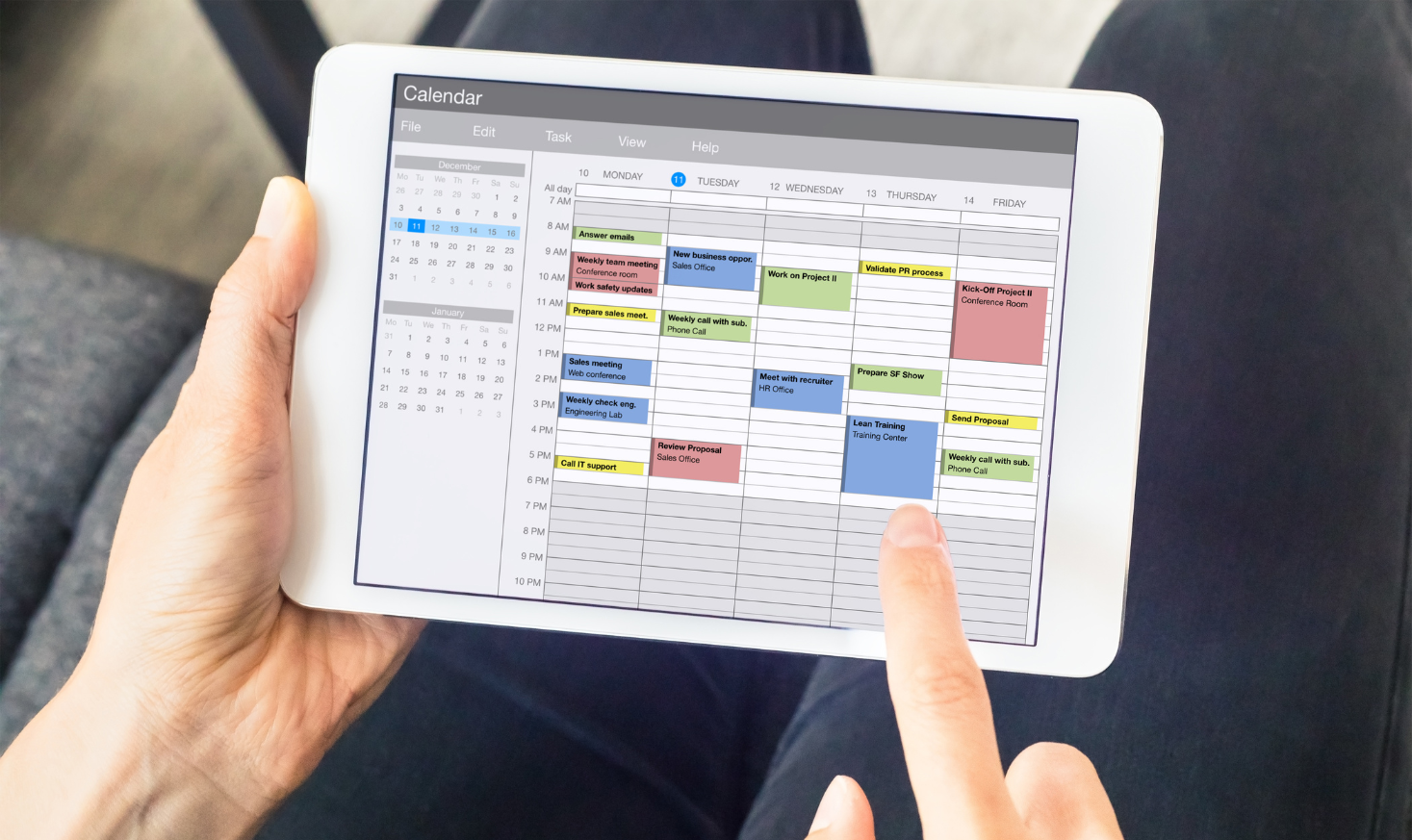
Design and planning (including selections) typically span several weeks; procurement depends on what you pick; construction varies by scope. Finalizing selections early is the single biggest lever you control to stay on schedule.
Want a helpful third-party framework while you’re thinking through choices? Review the NKBA Kitchen & Bath Planning Guidelines to understand how product categories and layouts affect function and cost—and then bring your questions to our showroom conversation.
Additional tips, best practices, and common mistakes to avoid
Best practices
- Talk budget on day one. The final investment is determined by the finalized layout and materials, so early candor saves time and rework.
- Stage decisions in the right order. Layout → mechanical feasibility → selections → price. This sequence keeps your vision aligned to a real, buildable plan with a firm contract price.
- Document inclusions/exclusions. Fixed-price contracts with named selections prevent “I thought that was included” moments.
Common mistakes
- Letting allowances carry the proposal. If most of your proposal relies on allowances, you don’t have a real price yet. Ask for SKUs, cut sheets, and specific lines.
- Finalizing selections after signing. Doing this flips risk onto you—expect change orders and delays. Lock decisions before the contract whenever possible.
- Skipping a contingency. Even well-planned projects can uncover surprises; a reasonable contingency keeps your plan intact.
Why our approach works for busy professionals

Our design-build process is engineered for clarity, speed of decision, and accountability. One integrated team designs, prices, and builds your project, so budgets evolve with your decisions—not against them. That’s how we eliminate vague allowances, deliver a fixed price once ~95% of choices are made, and move to procurement with confidence.
Your next steps
By now, the difference between remodel allowances and selections should be clear. Allowances are placeholders that shift risk onto you and often lead to budget increases, delays, and frustration. Real selections—made early—replace guesses with clarity, allowing your remodel to be priced accurately and scheduled realistically.
If you started this process worried about a “too good to be true” estimate, unexpected change orders, or losing control of your investment mid-project, you’re not alone. These problems almost always trace back to vague allowances, late decisions, or undefined scope.
Your next step is to insist on a process that prioritizes selections before pricing. Whether you’re comparing contractors or refining an existing proposal, ask for named products, defined scopes, and clear inclusions. That’s how you protect your budget, your timeline, and your peace of mind.
At Capozzi Design Build, we specialize in helping busy Northeast Ohio homeowners make confident decisions upfront. Our Clarity & Confidence Method replaces allowances with real layouts, real materials, and real numbers—so you can move forward with a fixed price and no surprises.
If you want real layouts, real materials, and real numbers before you sign, book a conversation with our team and ask about our Clarity & Confidence Method. Or call 440-247-9496.
We’ll guide you step-by-step and help you spend your money wisely.