

If you’ve never remodeled before, your first budget question probably sounds like this:
“We have no idea what a remodel costs… can you give us a number?”
Or…
“We want to do this, this, this, this, and stay under $X.”
(…even when that number doesn’t match the scope.)
If that feels familiar, you’re not alone.
And if you’re remodeling here in Northeast Ohio, the conversation looks a little different—municipal codes, lead times, and selections vary town to town, so budget clarity matters even more up front.
For third-party regional data, compare the Cost vs. Value Report (Cleveland, OH area) by Remodeling Magazine.
The hard part isn’t that homeowners are “wrong.” The hard part is that most homeowners are thinking of a remodel budget as they’d think of buying a product — something with a fixed price and a clear label.
But remodeling doesn’t work that way.
A remodel is more like building a custom solution with thousands of variables — and your budget isn’t a single number. It’s a conversation that evolves from a “comfort budget” to a final investment.
And the sooner you understand that, the more confident — and protected — you’ll feel throughout your remodel
The Two Budgets Every Homeowner Needs: Comfort Budget vs Final Investment
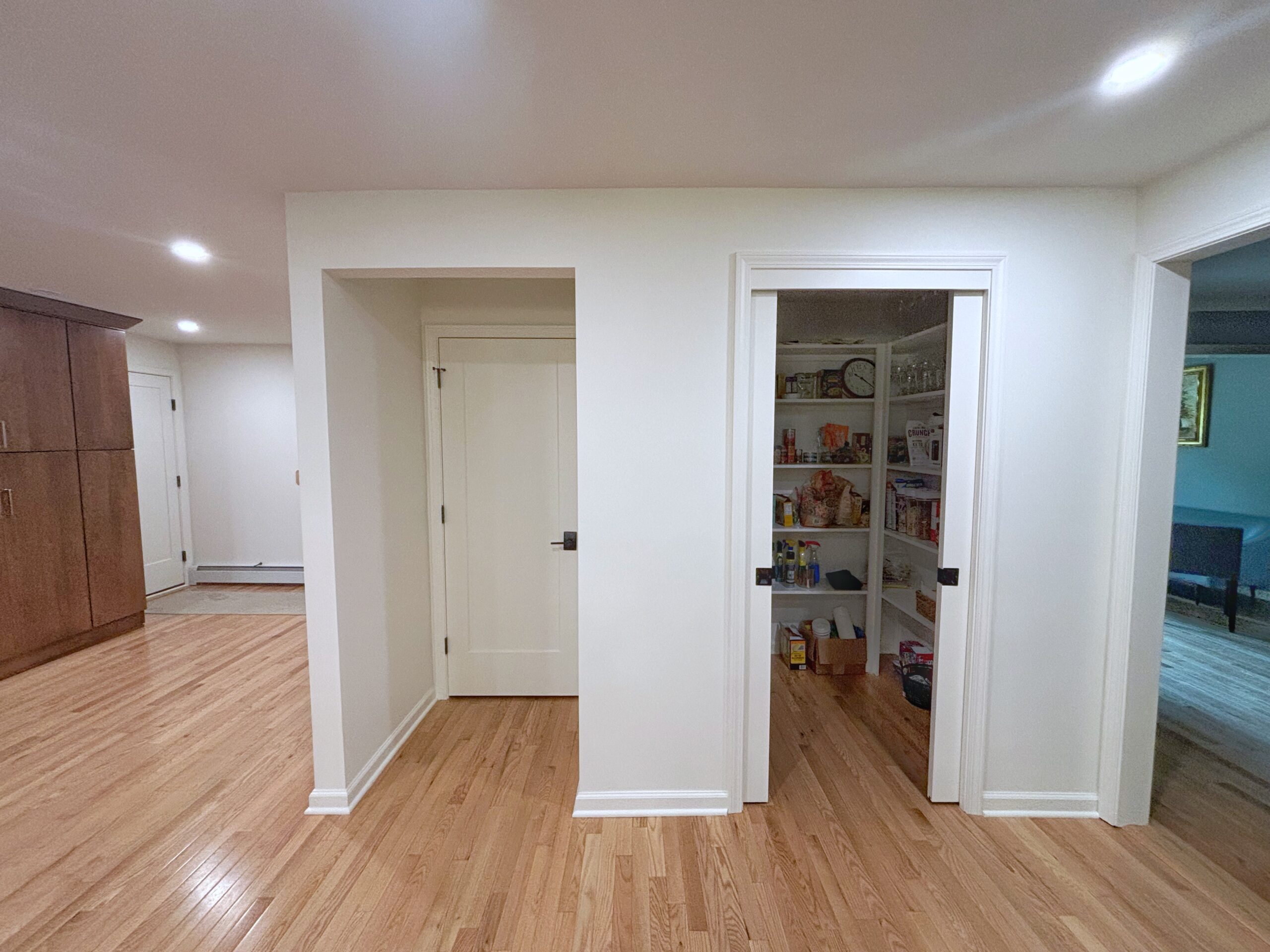
We start this comfort-to-confidence conversation with Northeast Ohio homeowners on the very first call—so scope and selections don’t surprise you later.
For a sense of local ranges, see our guide to Cleveland kitchen remodel cost.
At Capozzi Design Build, we talk budget early — on the very first phone call — because waiting until later is one of the fastest ways to create stress and redesign cycles.
Here’s the difference between the two budgets we discussed:
1) The Comfort Budget
Your comfort budget is your starting range. It’s not a quote. It’s not a commitment. It’s not a guarantee. It’s simply the number that answers the question: “What do you feel comfortable investing in to get the outcome you want?” We use broad ranges (bigger buckets) because early-stage remodeling conversations have too many unknowns for small, specific numbers. And that’s important to understand that there is no “standard quote” for a remodel. The investment depends on scope, complexity, and the quality of materials you choose.
2) The Final Investment
Your final investment is the number that gets locked in when:
- The scope is clarified
- design is developed
- materials and selections are narrowed
- and the real project is fully defined
That’s what allows a design-build team to build confidently — and allows you to invest confidently.
Why Traditional Remodeling Leads to Re-Design (and Budget Shock)
Here’s what happens most often in traditional remodeling: A homeowner starts with a designer or contractor who builds early pricing around allowances. The homeowner thinks they have a “budget” and a plan. But it’s not until they make final selections (and sometimes not until they’re already under contract or under construction) that they realize:
- Their dream tile isn’t included
- The vanity they love blows past the allowance
- lighting and trim details weren’t accounted for
- and upgrades stack fast
That’s when pricing shock hits.
And when pricing shock hits, homeowners end up redesigning:
- cutting things they already fell in love with
- changing layouts midstream
- swapping materials under pressure
- Reworking the scope in a rush
That’s not just emotionally draining… it can add real time and cost to a project.
The Biggest Reasons Remodel Budgets Change (The Real Triggers)
Most budget shifts come down to two things:
- Scope
- Material quality
More specifically, here are the five most common budget drift triggers we see:
1) Moving Plumbing + Electrical
Changing fixture locations, reworking circuits, adding outlets, reconfiguring lighting plans — these changes add labor, complexity, and time.
2) Scope Expansion
That moment when the project grows:
- “Since we’re doing this, we might as well…”
- “Let’s open up that wall.”
- “The powder room could use some help, too.”
Scope expansion is common — but it has to be intentional, not accidental.
3) Cabinet Quality
Cabinetry is one of the biggest cost drivers in many projects. The difference between stock, semi-custom, and custom isn’t small — and storage upgrades add up fast.
4) Custom Details
Trim packages, built-ins, upgraded carpentry, specialty features, and added lighting — these are what make a space feel truly finished, and they can significantly change the final investment.
5) Material Quality (Especially Countertops)
Countertops are one of the most noticeable upgrades, and price ranges vary dramatically. The same applies to tile, flooring, fixtures, and appliances.
How Design-Build Prevents Re-Design
(Because Budget and Design Stay Linked)
A design-build approach solves the biggest flaw in traditional remodeling: design decisions are made without cost clarity. At Capozzi, budget alignment happens during design — before anything is finalized and before the final remodeling contract is signed.
Here’s how we do it:
Step 1: Set a Comfort Budget Range
Early in the process, we talk about your comfort range so we’re designing with a realistic starting point. But we also clarify something important: A comfort range is helpful — but it doesn’t automatically mean everything you want can be done within it. Our job is to design the best solution — and show you what it truly costs.
Step 2: Temperature Checks at Milestones
As the design develops, we check the cost at key moments:
- After the initial layout and scope are developed
- After materials are narrowed
- Before the final contract is signed
This keeps you informed and prevents surprise.
Step 3: Back-and-Forth to Find the Right Mix
Design-build is a collaboration. Sometimes we adjust:
- scope
- materials
- layout solutions
- or feature priorities
…so the project fits both your lifestyle goals and your comfort level. That way, when the final contract is signed, you’re not guessing. You’re not hoping, you know exactly what you’re getting.
Real Example: How This Prevented Redesign

A homeowner came to us for a master bathroom remodel with very specific luxury upgrades.
- Comfort budget range: $65,000–$75,000
- As design and selections progressed, the project was trending toward: $90,000–$95,000
Because we were checking costs throughout design (before contract signing), we worked with them to adjust the right elements — without compromising the outcome.
Final investment landed around: $82,000
A number they fully understood and felt comfortable investing. That’s the difference between design-build and “price shock remodeling.”
What If You Don’t Want to Talk Budget Yet?
This is common — and we understand why. Budget conversations can feel uncomfortable. But here’s the truth: Without a starting point, the conversation can’t go anywhere.
If someone isn’t willing to discuss a comfort range early, we can only offer broad ranges — and we do require a consultation to go deeper. Not because we’re trying to push a number, but because our process is about education — helping homeowners make smart decisions and future-proof their investment.
In most cases, if a homeowner refuses to discuss budget early, they’re simply not the right fit for how we work — and that’s okay.
The Best Way to Avoid Re-Design? Start With Real Numbers
If you want to avoid redesign cycles, budget shock, and expensive backtracking, the best thing you can do is start with a realistic comfort range and work with a team that ties design and estimating together from day one.
Because the real value isn’t just what gets built…It’s what gets prevented.
The goal isn’t to “stay under a number.” The goal is to make decisions with clarity — and end with a remodel that truly fits your life.

Ready to Start the Budget Conversation?
If you’re planning a remodel and want real guidance on what’s possible within your comfort range, we’d love to help.
Ready to talk real numbers for your Northeast Ohio remodel? Call us at 440-247-9496. Or book an appointment with us to start with a discovery call, and we’ll talk through:
- your goals
- your scope
- your comfort budget
- and what realistic investment ranges look like for your home